When Choosing an Image Processing System; 7 Important Points You Should Pay Attention to
1-) Camera selection;
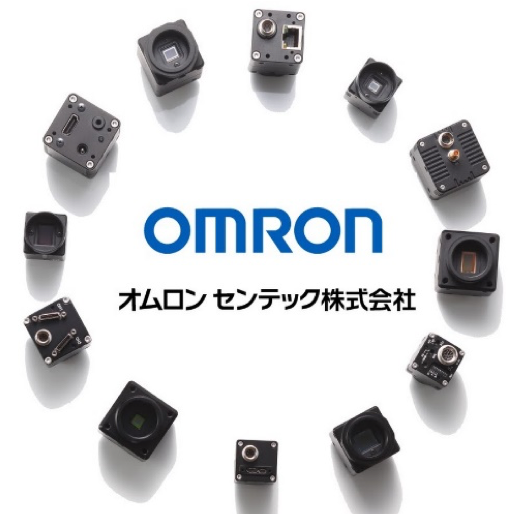
The first thing to consider when choosing an image processing system is to determine whether you are working with the camera that is best suited for your application.
It is necessary to accurately determine what resolution and what speed a camera an application needs.
2-) Hardware;
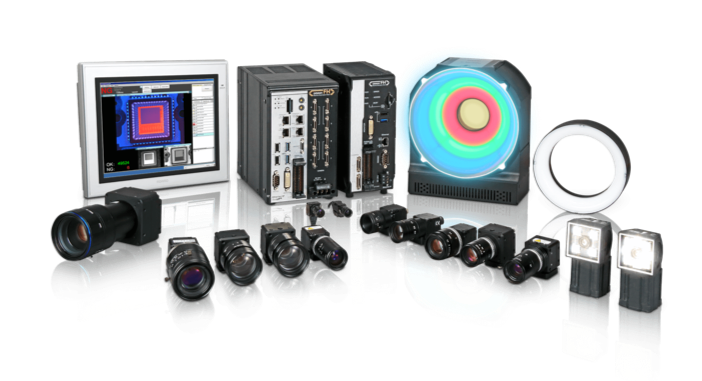
Choosing the right camera is a crucial step in any application; However, other components in the system should not be restrictive.
The controller should not slow you down when it comes to speed.
- If the control results will be transmitted to a robot, PLC or embedded system,
- If images and data will be saved on network servers,
- If control parameters and results are to be transmitted to a local or remote user interface, it must provide them.
Before you start image processing with lighting and lenses, you should get the most accurate image.
3-) Ease of use of the software;
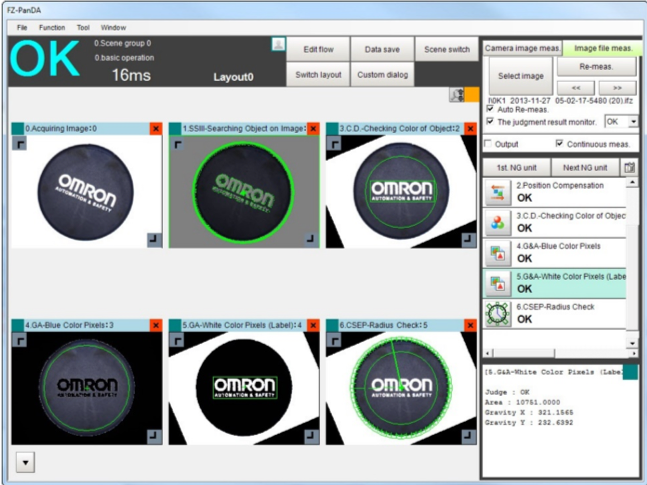
Once you have an image, the next step is to process it. Here you need imaging software tools that will help you get the most out of the algorithms.
- You should make sure that there are ready-made tools such as Pixel counting, shape matching, measurement tools, OCR and Code reading according to your needs.
- The fact that your system is a PC-based system written in a special software language makes the system out of your control and requires support at all times. Consider this issue in terms of availability and cost.
- And you should definitely pay attention to whether there is a Simulator to test what works for you to implement all this on your PC.
4-) Algorithm Breadth and Accuracy;
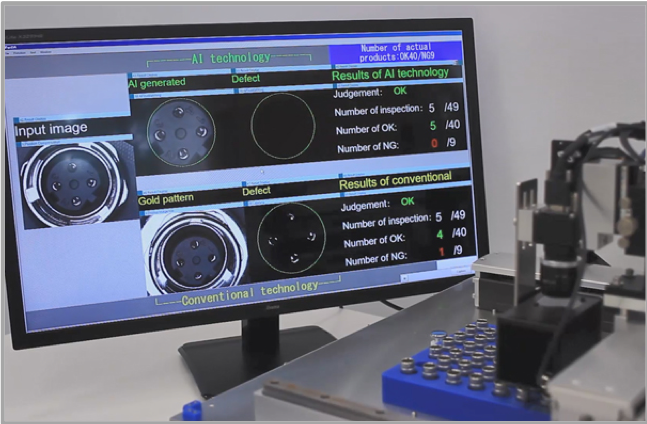
When choosing imaging software, you must determine whether the software tools can accurately measure important part or object features down to the subpixel. It doesn't matter how fast your computer is or how many pixels your camera has if the software is not accurate and reliable.
- Whether there are filters in the software that can improve the image;
- Whether the system allows logic structures or not;
- Whether the program can be shown in a flow diagram;
- Whether macros can be written within the program for advanced solutions;
- It is also worth paying attention to whether there are tools specific to the application (such as calibration, robot communication, geometric shape correction, image compositing).
5-) Price;
Image processing systems components come in many variations, and generally the cost of an image processing system is quite high.
That's why you need to be sure about what you're buying and that the system you're buying not only meets your needs but is actually necessary and optimal.
In addition to the initial cost of a purchased system, it is very important to include maintenance, revision and development costs, if any. Once you purchase a system that you cannot revise on your own, these costs may even be at unacceptable levels for you in the future.

6-) Technical Support;
To help you develop an application, it's important to choose the right components or work with a partner who can help you create a complete solution.
When you need an expert or need to contact an expert engineer you can reach by phone or e-mail, it may be very important for you whether your problem is solved quickly or not.

7-) Company growth and stability;
When you invest in image processing systems, knowing that you can use this system in the future is as important as operating it today.
There are many small image processing companies, and the products they offer may work for an existing application, but knowing that the company and the software will still exist when you need to update the system you installed five years from now should be a must-make decision for you and your company.