Finding the Right 3D Scanning Solution for Your Needs
Whether used for 3D control, measurement or visualization, purchasing a 3D scanning product can be a challenging experience for even the most experienced decision makers.
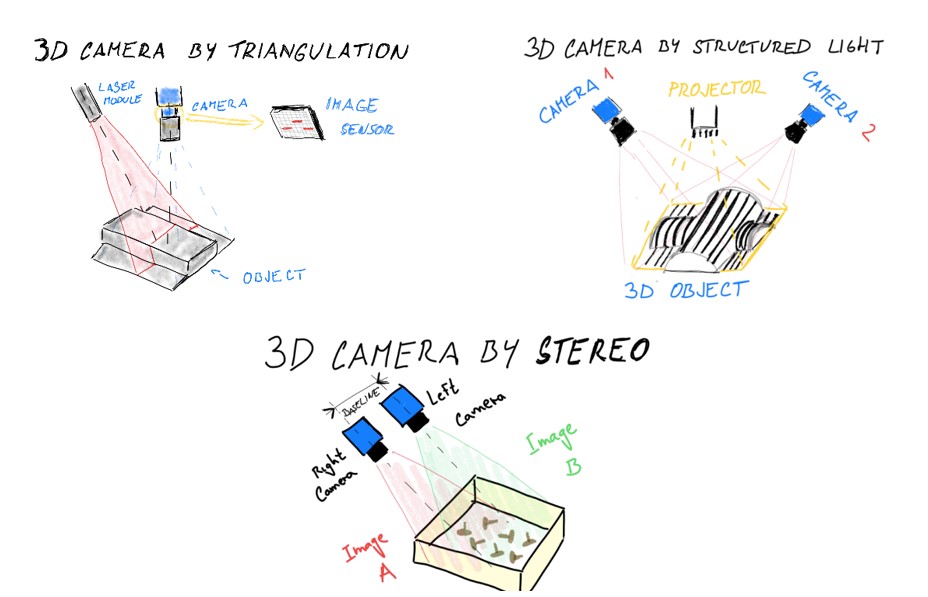
With so many solutions on the market claiming to have the fastest scanning speeds, highest resolutions, and the ability to deliver the precise results you need, how can you know for sure which one will solve your problem once you buy it?
Here are three techniques to help you find the right 3D scanning solution for your needs.

1. Define your production goals and application requirements.
Start by defining the main manufacturing goals you need to achieve (e.g. 100% in-line quality control), then work your way down to finer details like part dimensions/material type, performance specifications for the required sensor such as speed, resolution, field of view, and what the mechanical system will be like.
You should also have a clear budget and timeline for your project in mind. The more details you can gather at the beginning, the better. If you're unsure of a particular requirement, don't worry. Just make a note to ask as you begin your conversations with different vendors; they can help you fill in the gaps.
Narrowing your criteria in this way will help you focus your decision-making process on the options that are best suited not only in terms of performance but also in terms of cost. Once you begin your search, take your time and consider multiple options. Once you're sure you have all the details you need, make a final decision based on the best match for your needs.


2. Analyze and understand the specifications of the solutions you have identified.
When evaluating similar scanning products from multiple vendors you should always look critically at the specifications in the data sheets. The truth is that there are no industry standards that hold every vendor accountable for providing technical specifications using the same methodology. This means that the methods used to achieve key reported specification values (e.g. maximum scan speeds, X resolutions) may vary slightly (or significantly) from product to product and vendor to vendor. As a result, it is difficult to compare each product apples to apples based solely on the specifications reported in their catalogs.
The best way to resolve this issue is to speak directly to your dealer after reviewing the product catalogs on your own. They will help you understand what the specifications given are and the methods their organization has chosen to calculate these values. They will also be able to tell you how their methods may differ from competing vendors and how this may affect your particular application. Also be sure to ask if the seller has any customers who use or have used the product in an application similar to yours. This conversation may reveal some positive details, insights, and even potential challenges that you might not otherwise be aware of. To further develop your project, you can ask the vendor to provide testing and scanning samples of your own product.
With so many products on the market, analyzing and understanding reported specifications is an important step in finding the right 3D scanning solution to suit your needs.

3. Look for a company that is a solution partner, not just a product provider.
Every project is unique, so it is important that your vendor understands your project requirements in detail and works closely with you to develop and implement the best scanning solution for your specific measurement and control challenges. Additionally, a reliable vendor should provide you with specific, personalized technical support for the lifecycle of their product, from helping you get your sensor up and running to offering ongoing assistance post-purchase.
This type of close customer-vendor partnership is now more important than ever in finding the right 3D scanning solution for your business.